The Belgian UFO Wave of 1989-90: When F-16s Gave Chase
There were thousands of witnesses, some of them police officers. The air force actually scrambled F-16s to chase the object on radar. Yet the single photo that came to symbolize the case was, two decades later, admitted to be a fake.
The series of UFO sightings over Belgium from the winter of 1989 into the following year is known as the 'Belgian UFO wave.' What makes it stand out among countless cases is the unusual scale of the witnesses and, above all, that a nation's air force scrambled fighter jets in response and handled its data openly.
The winter of 1989 over Belgium
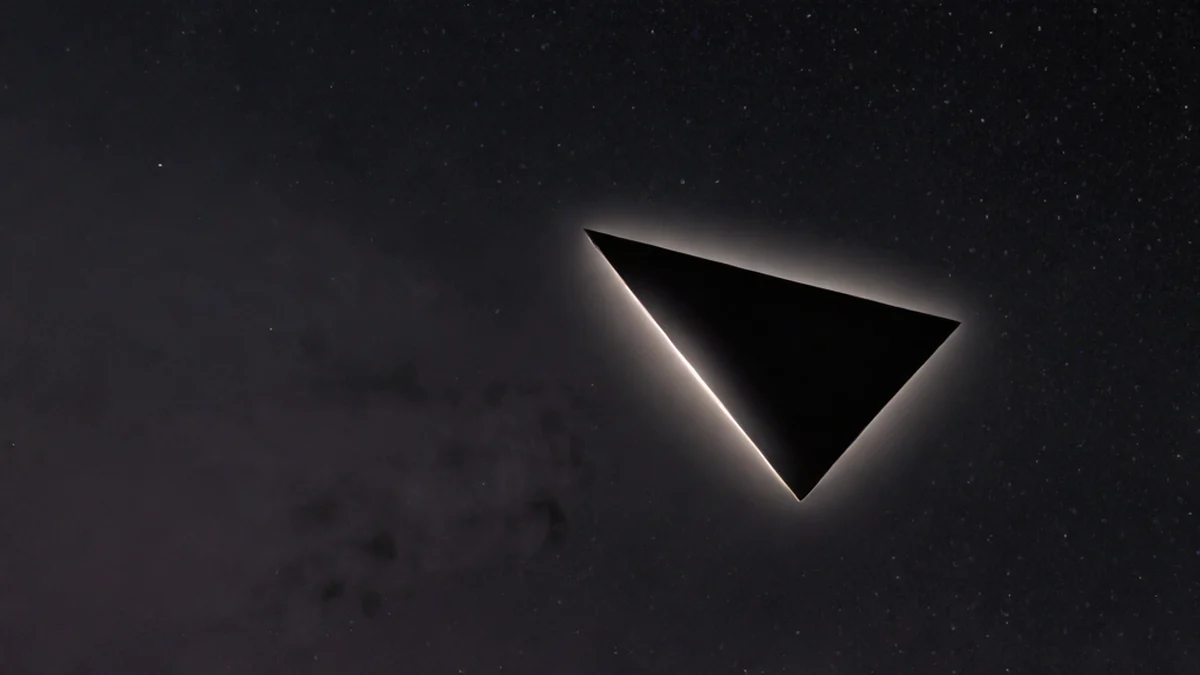
The wave began on the evening of November 29, 1989, when dozens of people near Eupen in eastern Belgium reported a large triangular object hovering in the sky. Among them were gendarmes on patrol. They described a craft carrying three strong lights and a red glow at the center, drifting low and slowly with almost no sound.
This was not a one-off. Over the following months, similar reports came from across Belgium, and the cumulative count reached into the thousands. Strikingly, most accounts shared the same features: a triangular or trapezoidal shape, lights at the corners, and a remarkable ability to hover and move at very low speed.
A triangle and three lights
The object the witnesses described was broadly consistent: a dark triangular silhouette against the night sky, bright lamps at each corner, and a flashing red point in the middle. Some witnesses said the object hung completely still, then abruptly changed direction and slid away. Many noted the absence of the roar a jet would inevitably make.
Of course, these traits also resembled the stealth aircraft and large drones just then coming to public attention, so the interpretation of a 'military experimental craft' was raised from the start.
The F-16s are scrambled
The case peaked on the night of March 30 into 31, 1990. When several ground radars picked up an unknown object, the Belgian Air Force scrambled two F-16 fighter jets. Guided by ground control and their onboard radar, the pilots tried to close in.
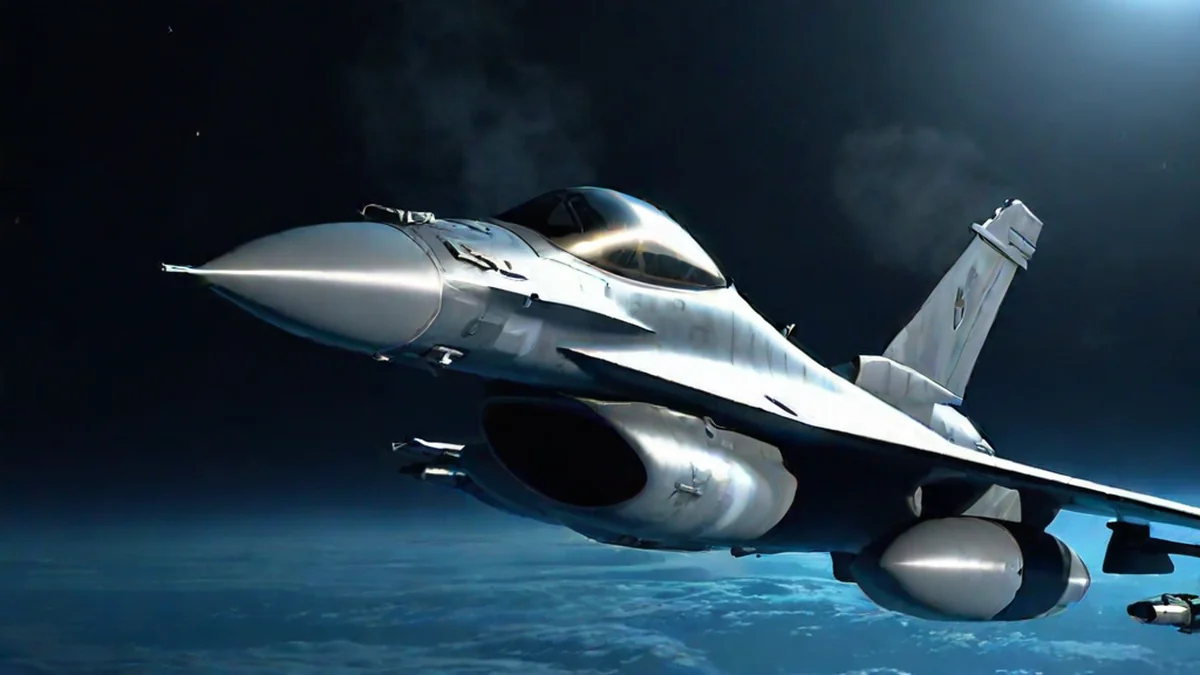
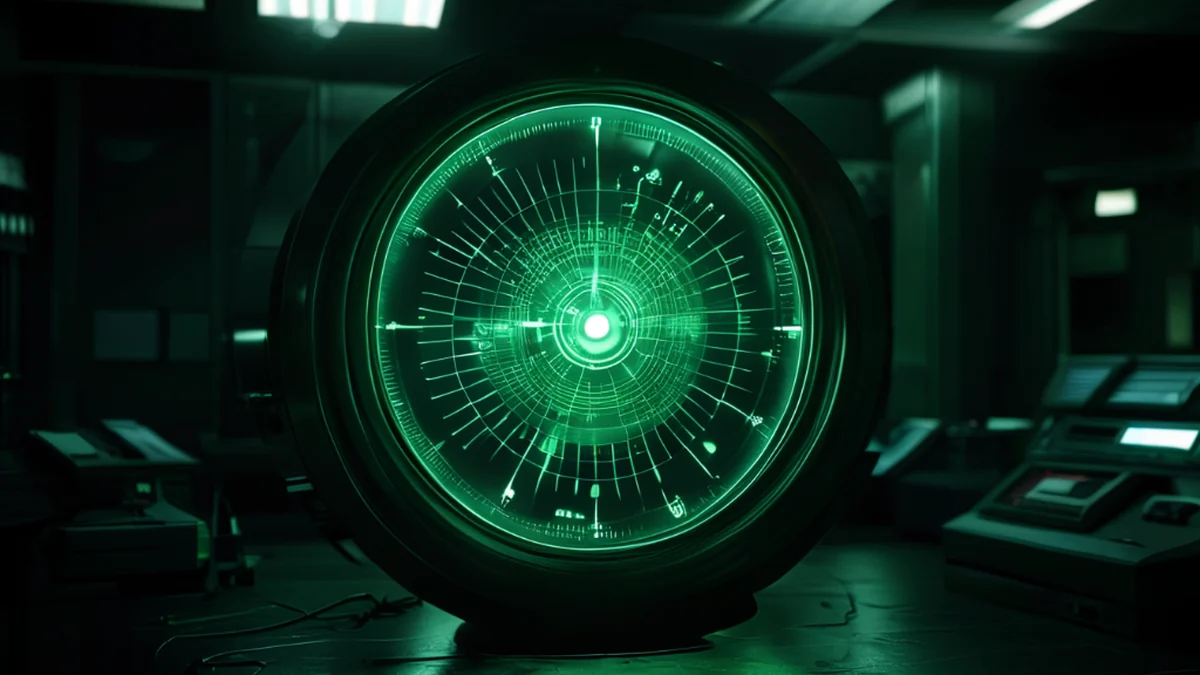
According to the records, the F-16 radars locked on several times, but each time the object showed abrupt changes of speed and altitude and never allowed the pilots a visual confirmation. The radar data is said to have shown extreme maneuvers hard to attribute to a conventional aircraft. That said, counterarguments were raised at once that the radar returns themselves could have been atmospheric refraction or system interference.
An unusually open military
Another reason the case endures is the stance of the Belgian Air Force. Unlike the silence many militaries keep on UFO matters, it shared its radar data and the circumstances of the F-16 intercept relatively transparently with the press and researchers. Colonel Wilfried De Brouwer, who later became a general, took part directly in the investigation and public briefings and expressed a cautious view that 'some elements remained unexplained.' This case, in which a military officially acknowledged an unidentified status, is often cited in later UAP discussions.
The twist of the famous photo
What imprinted the Belgian wave on the world was a single photo taken in 1990. Showing a triangular object with four lights in sharp detail, it served for decades as the symbol of the case. But in 2011, the person who claimed to have taken it appeared on television and confessed that it had been faked — a model made from styrofoam and lamps.
The confession caused a stir. Yet the crucial point is that one fake photo does not turn thousands of sightings and the air force's radar response into fabrications. The photo was the case's symbol, not its evidence, and the collapse of that symbol does not automatically settle the character of the whole affair.
Expert scrutiny and the radar anomaly
While skeptics point to "ghost echoes" or atmospheric phenomena like temperature inversions to explain the radar data, many analysts find these explanations insufficient for the Belgian case. Unlike the 1952 Washington D.C. flyover, where radar returns were often dismissed as technical glitches, the Belgian data showed consistent, high-velocity maneuvers that defied Newtonian physics. This has led researchers to compare the wave to modern UAP reports involving "transmedium" travel. Even after the famous photo's debunking, the core mystery—how a craft could evade F-16 radar locks while maintaining such erratic trajectories—remains a cornerstone of serious ufological study.
What remains
No physical evidence of an alien spacecraft was ever confirmed. Skeptical analysts conclude that most sightings were misidentified aircraft, helicopters, bright stars or weather phenomena, that the radar returns were system errors, and that the iconic photo was a hoax. It is a fairly persuasive account. Supporters, on the other hand, argue that the consistent testimony of trained observers, gendarmes among them, and the air force's unusual response are hard to explain by that alone.
The key is to separate two things. That many people saw something and the air force actually scrambled fighters in response is a fact. That it was an alien spacecraft is an unproven claim. The Belgian UFO wave remains, between the two, a landmark case of a state institution treating UFOs officially.




Comments 0