NASA UFO research basis: Guide to unexplained phenomena
"The goal is not to find little green men, but to understand the phenomena through a rigorous scientific lens."
NASA's involvement in studying Unidentified Anomalous Phenomena (UAP) focuses on applying scientific methods to clarify aerial observations and data. This research aims to move beyond anecdotal accounts toward a structured understanding of unidentified objects.
Key takeaways include the transition toward data-driven analysis, the importance of scientific rigor in evaluating sightings, and the ongoing debate regarding the true intent behind such studies.
How can I move from speculation to empirical data? This NASA UFO research basis relies on using satellite technology and high-altitude sensors to collect verifiable data in the upper atmosphere.
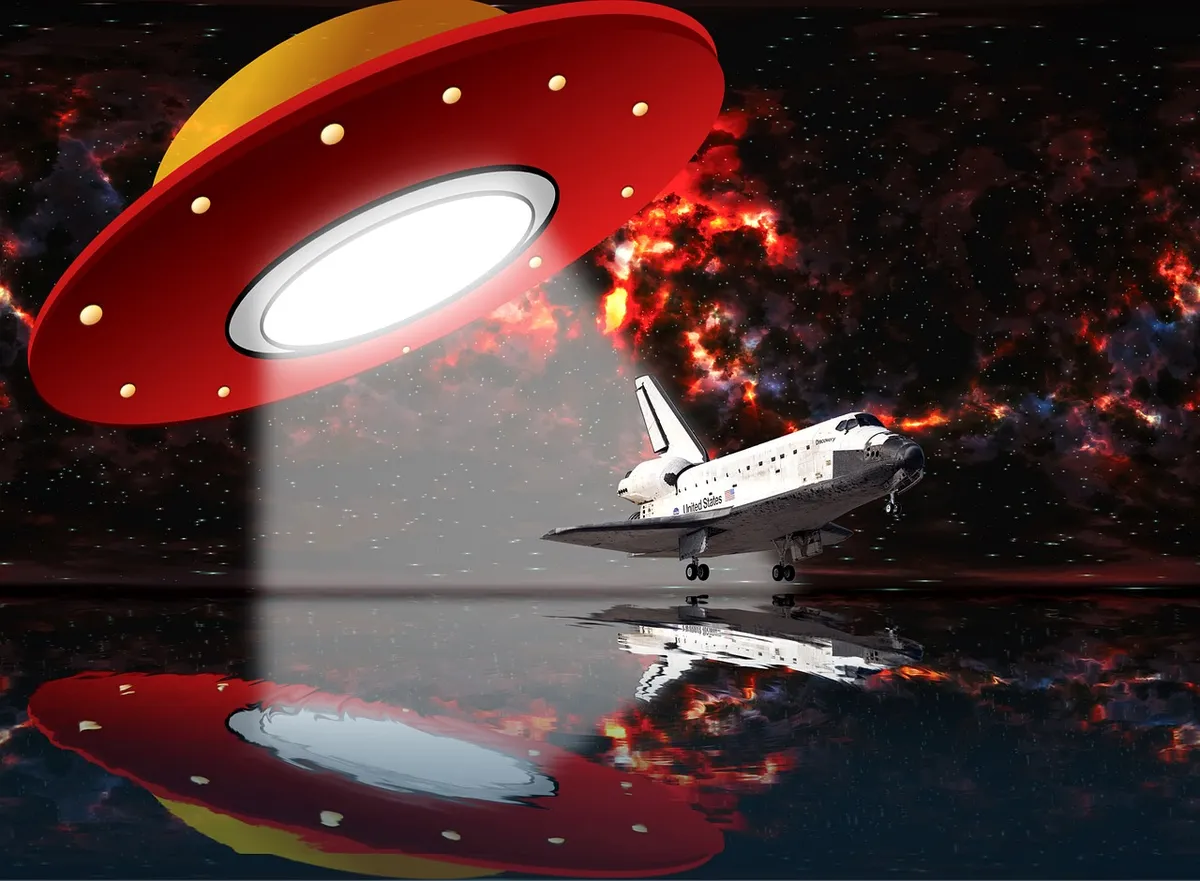
The agency seeks to apply standardized scientific techniques to observations that were previously handled through anecdotal reports. By utilizing advanced sensors, the goal is to distinguish between known atmospheric phenomena and truly unexplained objects.
This approach provides a framework to evaluate how light, weather, and human technology interact in the sky.
Scientific inquiry requires a steady hand to separate myth from reality. A researcher might look at a sensor reading, questioning if it represents a sensor glitch or a physical object. This process of elimination is central to how modern space agencies approach unexplained sightings.
The foundation rests on empirical observation and the application of established physical laws to anomalous sightings.
How does a UAP scientific study function? NASA UFO research basis
During the late afternoon, the analyst leans forward in the dark office to squint at the grainy nasa data flickering on the screen.
An analyst adjusts the brightness on a monitor to better see a grainy video of a moving light. A UAP scientific study functions by creating a structured environment where data can be cross-referenced with known flight paths and meteorological conditions.
This systematic approach aims to eliminate common variables that cause false sightings.
The process involves gathering multi-sensor data to build a comprehensive picture of an event. When an anomaly is detected, scientists look at radar, infrared, and visual data simultaneously.
This multi-layered check helps determine if an object follows the laws of physics or represents a sensor error.
A technician checks the calibration of a high-resolution camera before a scheduled flight. This level of detail ensures that the data collected is of high enough quality to be peer-reviewed. Investigating these anomalies requires looking at the intersection of technology and the natural world.
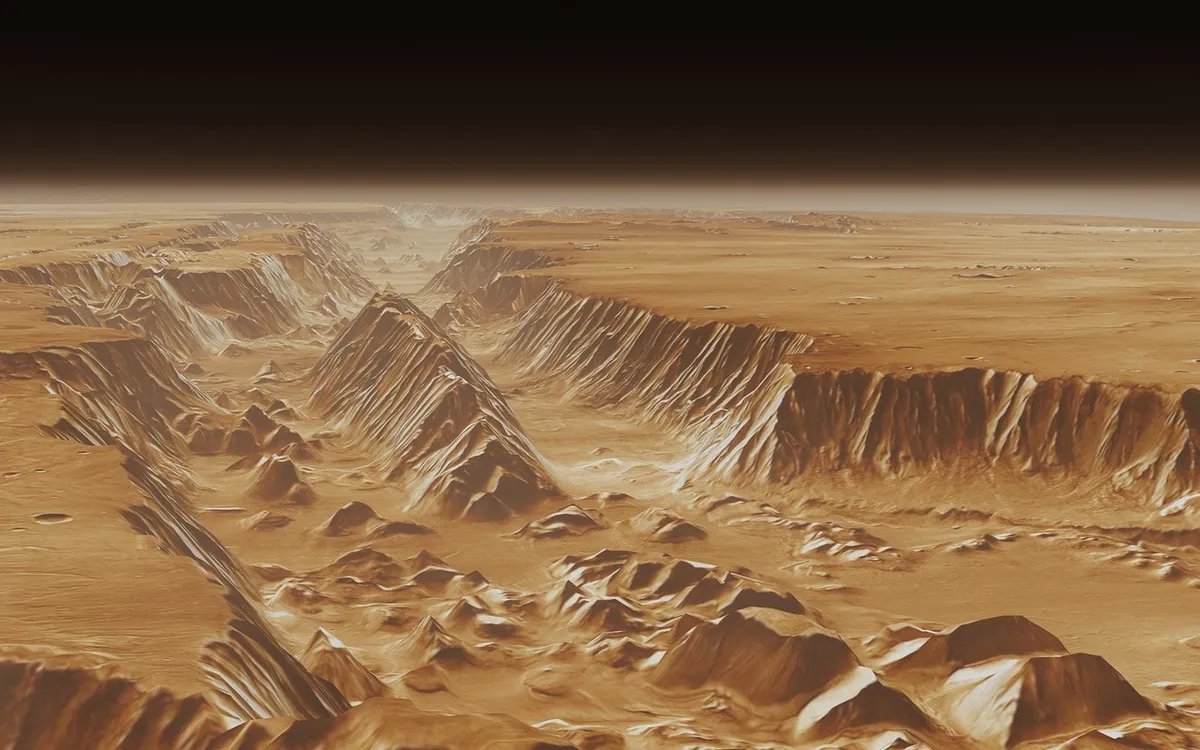
- Data collection from multiple sensor types occurs simultaneously.
- Information is cross-referenced against known atmospheric and orbital phenomena.
- Analysts evaluate the remaining anomalies for potential new physics.
Why do we need to investigate space objects? A scientist reviews a catalog of orbital debris and satellites under a bright laboratory lamp. The drive for space object inquiry stems from the need to ensure airspace and orbital safety.
As more satellites and high-altitude platforms occupy the sky, understanding everything that moves within those boundaries becomes a matter of operational security.
The study of these objects helps flight controllers and orbital managers predict and avoid collisions. While the public often thinks of extraterrestrial life, the agency focuses on the immediate reality of managing a crowded sky.
This practical necessity provides a grounded reason for investigating any object that cannot be immediately identified.
An operator tracks a moving dot on a radar screen, comparing it to a known satellite path. This constant monitoring is a routine part of modern aerospace management. The movement of objects in the sky is a constant variable in navigation.
The necessity arises from the requirement to ensure flight safety and maintain accurate situational awareness in shared airspace.
What is the goal of extraterrestrial detection?
A telescope operator peers through an eyepiece, adjusting the focus toward a distant star cluster. While the public interest often centers on extraterrestrial detection, the scientific goal is often more focused on identifying biological signatures or technological markers.
This search for life or advanced technology is handled through the lens of search-based science.
Researchers look for specific patterns in radio waves or light signatures that could indicate non-human origins. This search is not about confirming aliens, but about testing the limits of our own detection capabilities.
The process is a way to refine how we look for anything unusual in the vastness of space.
A researcher notes a specific frequency on a digital readout, marking it for further analysis. Every data point is a potential clue in the search for something beyond our current understanding. The search remains a fundamental part of exploring the cosmos.
The objective is to identify signals or objects that deviate from known natural or human-made patterns.
##
The agency works through a panel of experts to establish protocols for reporting and analyzing sightings. NASA unexplained phenomena are addressed by treating them as scientific puzzles rather than paranormal events. This method seeks to bring order to the chaos of eyewitness reports.
By creating a centralized way to process information, the agency can look for trends and commonalities. This helps in determining if certain types of sightings are recurring due to specific atmospheric conditions or specific types of hardware.
The objective is to turn "unexplained" into "explained" through the scientific method.
A committee member reads a thick report, highlighting passages regarding sensor limitations. This kind of scrutiny ensures that conclusions are not reached prematurely. The focus remains on the integrity of the data.
In this sequence, the second step is the most extensive.
What are the limitations of these studies?
A viewer watches a news report on a tablet, expressing skepticism about the official narrative. One limitation of these studies is the potential for public perception to conflict with scientific intent. Some observers believe the focus is on discrediting sightings rather than understanding them.
According to a viewer comment on a YouTube video regarding a NASA UAP study, there is a belief that the agency might be attempting to discredit more UFO sightings rather than truly understanding the phenomena.
This tension between official scientific inquiry and public curiosity remains a significant hurdle.
The investigation into these objects is limited by the quality of available sensor data and the difficulty of catching transient events in the act.
Constraints include sensor resolution, atmospheric interference, and the difficulty of capturing transient events.
The same subject is also called Advanced space search.
This part also covers UFO data analysis.
This part also covers Search for life beyond.
Related





Comments 0