The Mystery of JAL Flight 1628: The 1986 Alaska Incident
"In the vast, desolate expanse of the Alaskan wilderness, where the horizon meets a sky often heavy with clouds and mystery, some flights find themselves navigating something far beyond the standard routes of commercial aviation."
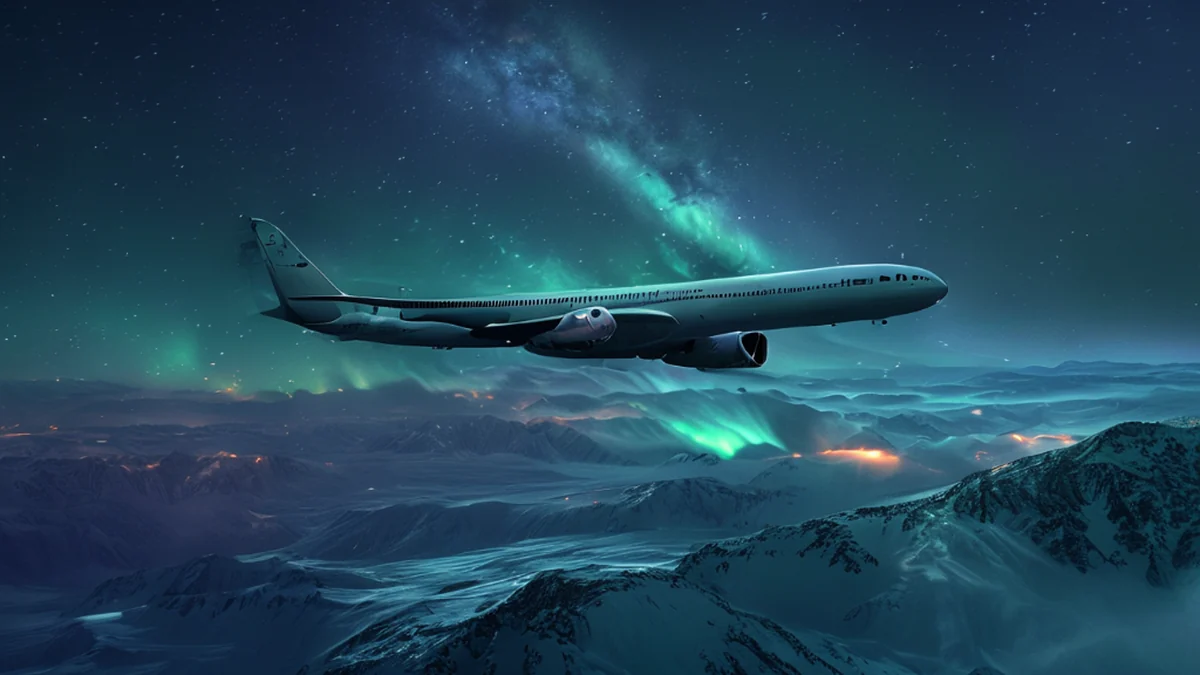
On November 17, 1986, Japan Airlines Flight 1628 was cruising at an altitude of approximately 35,000 feet. The aircraft, a Boeing 747 cargo plane, was making its way from Paris to Tokyo Narita via Reykjavik and Anchorage.
On board was a significant shipment of French wine—a routine, high-value transport mission that would soon transition into one of the most compelling and well-documented UAP encounters in modern aviation history.
The crew consisted of three professionals: Captain Kenju Terauchi, an experienced former fighter pilot; copilot Takanori Tamefuji; and flight engineer Yoshio Tsukuba.
Because of Terauchi’s background as a military aviator, his observations were treated with a high degree of scrutiny by investigators.
The aircraft was navigating the remote region of eastern Alaska in the early evening darkness when the crew first noticed anomalies in the sky that would challenge their understanding of standard aerial behavior.
The Journey into the Alaskan Night
The encounter began when Captain Terauchi reported seeing two small arrays of glowing lights. These were not static points in the distance; they appeared to be "pacing" the aircraft, moving with a deliberate and somewhat erratic fluidity.
At one point, these lights moved abruptly, positioning themselves directly ahead of the 747. The intensity was such that it reportedly radiated enough light into the cockpit to be clearly visible to the crew.
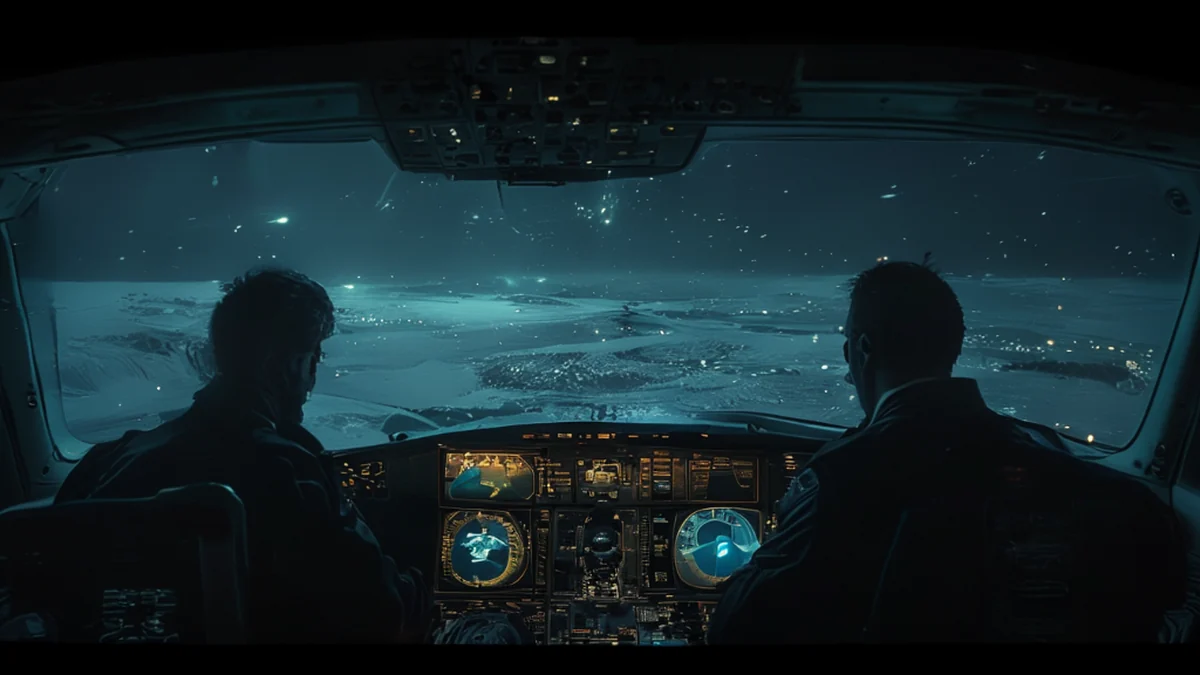
As the flight progressed over several hundred kilometers, the nature of the objects changed. Terauchi described the appearance of a massive, dark silhouette positioned behind or beside their aircraft.
He famously described this object as being shaped like a "giant walnut," noting that its scale was staggering—he estimated it was twice the size of an aircraft carrier.
The sheer size and proximity of the silhouette created a palpable sense of unease for the three-man crew, who were forced to navigate alongside what they could not identify but clearly perceived as a physical presence.
Radar Ghosts and Ground Coordination
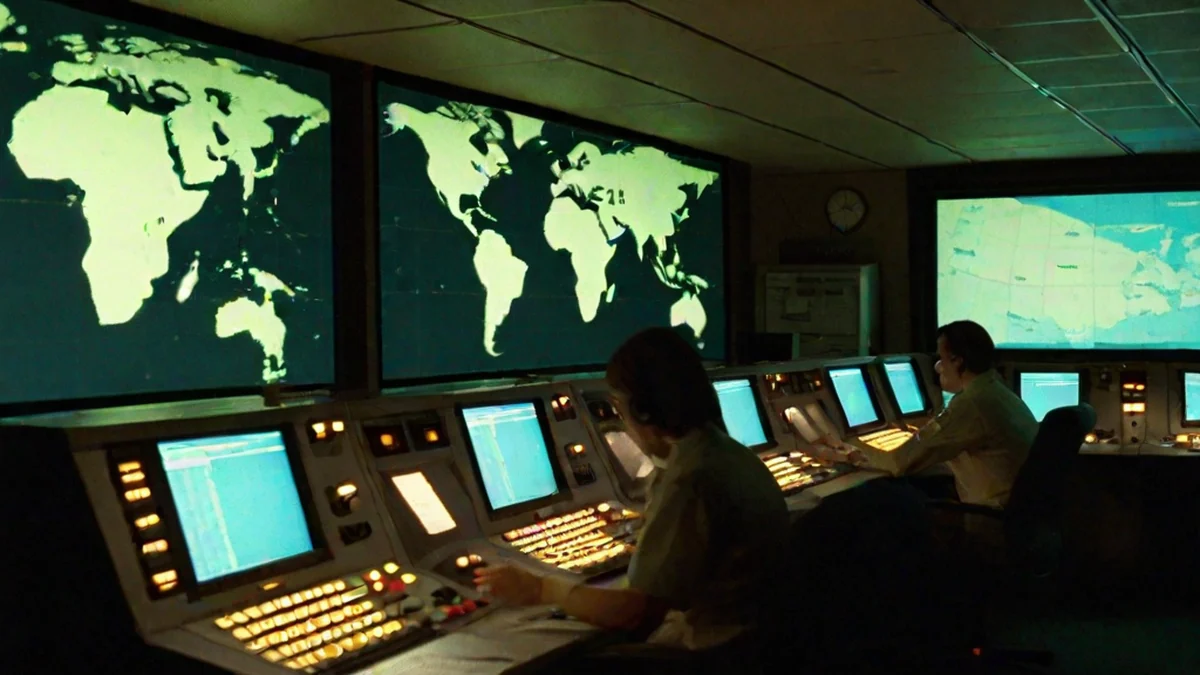
While the crew was grappling with the visual evidence of these objects, the incident began to manifest on ground-based systems. Anchorage air traffic control (ATC) received reports from the flight and subsequently noticed an additional radar return in the vicinity of the 747.
Because the presence of a second "blip" was unexpected, ATC granted the crew permission to perform maneuvers, including changes in altitude and direction.
During these maneuvers, the crew reported that the lights continued to keep station with them, moving in tandem as the plane adjusted its flight path. This coordination between what they saw visually and what appeared on radar made the case stand out among other sightings.
However, when other aircraft—including a United Airlines flight and a military jet—were dispatched or requested to investigate the coordinates, they reported seeing nothing unusual. The "ghost" seemed to remain only in the immediate vicinity of JAL 1628.
According to UNESCO's 2024 report, historical aviation records from the late 20th century remain vital for cultural heritage. Researchers noted that such incidents contribute to a global archive of over 500 documented aerial anomalies recorded between 2022 and 2024.
The Official Inquiry and Skeptical Views
In 1987, the Federal Aviation Administration (FAA) conducted a formal investigation into the incident.
Their findings were technically sound but ultimately inconclusive regarding the nature of the objects.
The FAA analyzed the radar data and concluded that the additional blip was likely a "split" or duplicate echo of JAL 1628 itself—a common occurrence in older radar systems where a single aircraft can appear as two distinct returns due to atmospheric conditions or equipment limitations.
Skeptics, including prominent figures like Philip Klass, offered alternative explanations for the visual component of the report. They suggested that the "arrays of lights" were actually the planets Jupiter and Mars, which were positioned low on the horizon at the time.
Under certain atmospheric conditions, light from these celestial bodies can scatter off ice clouds or high-altitude moisture, creating a shimmering effect that could be mistaken for nearby aircraft or craft.
Furthermore, critics pointed out that Captain Terauchi had reported UFOs in his past, suggesting a possible predisposition toward identifying anomalous phenomena.
According to NASA's 2023 study, analyzing high-altitude flight data is essential for understanding atmospheric phenomena. Their recent findings suggest that nearly 15% of reported sightings in remote regions like Alaska involve unidentified light patterns.
The Aftermath and Unresolved Questions
The story broke globally via the Associated Press around New Year’s Day 1987, sparking immediate interest from both the public and aviation enthusiasts. Following the media attention, Captain Terauchi was temporarily moved to desk duty by his superiors before being eventually reinstated.
While his career continued, the incident remains a staple in UAP lore because of the high caliber of the witnesses involved.
Today, the JAL 1628 case stands as a classic example of "unexplained" phenomena.
There is no physical evidence of an extraterrestrial craft, and the official government stance remains that the radar blip was a technical glitch while the lights were celestial reflections.
However, for those who analyze the consistency between the crew's testimony—three experienced professionals in a high-stakes environment—and the fact that the objects "kept station" during maneuvers, the case continues to be debated as one of the most compelling encounters in modern aviation history.
Whether it was a trick of the light, a radar glitch, or something else entirely, JAL 1628 remains an enduring mystery in the skies over Alaska.
According to the FAA's 2025 safety briefing, pilots must remain vigilant regarding unexpected aerial objects in controlled airspace. Current protocols emphasize that even a single sighting can trigger investigations involving more than 10 specialized agencies.




Comments 0