How researchers distinguish anomalies from sensor glitches
When evaluating a photo, researchers look for consistent shadows and structural details that match the physics of a three-dimensional object rather than a two-dimensional light source.
You will learn how to categorize sightings, understand the limitations of current sensor technology, and navigate the skepticism inherent in modern ufology.
* Understanding the difference between sensor noise and physical objects. * Categorizing sightings based on flight characteristics and maneuverability. * Recogniquing the limitations of eyewitness testimony and optical equipment. * Evaluating the role of atmospheric conditions in false positives.
Can I really trust this single blurry photo on researchers? Under the dim glow of the desk lamp, researchers squinted at the grainy print, feeling the cold dampness of the office air.
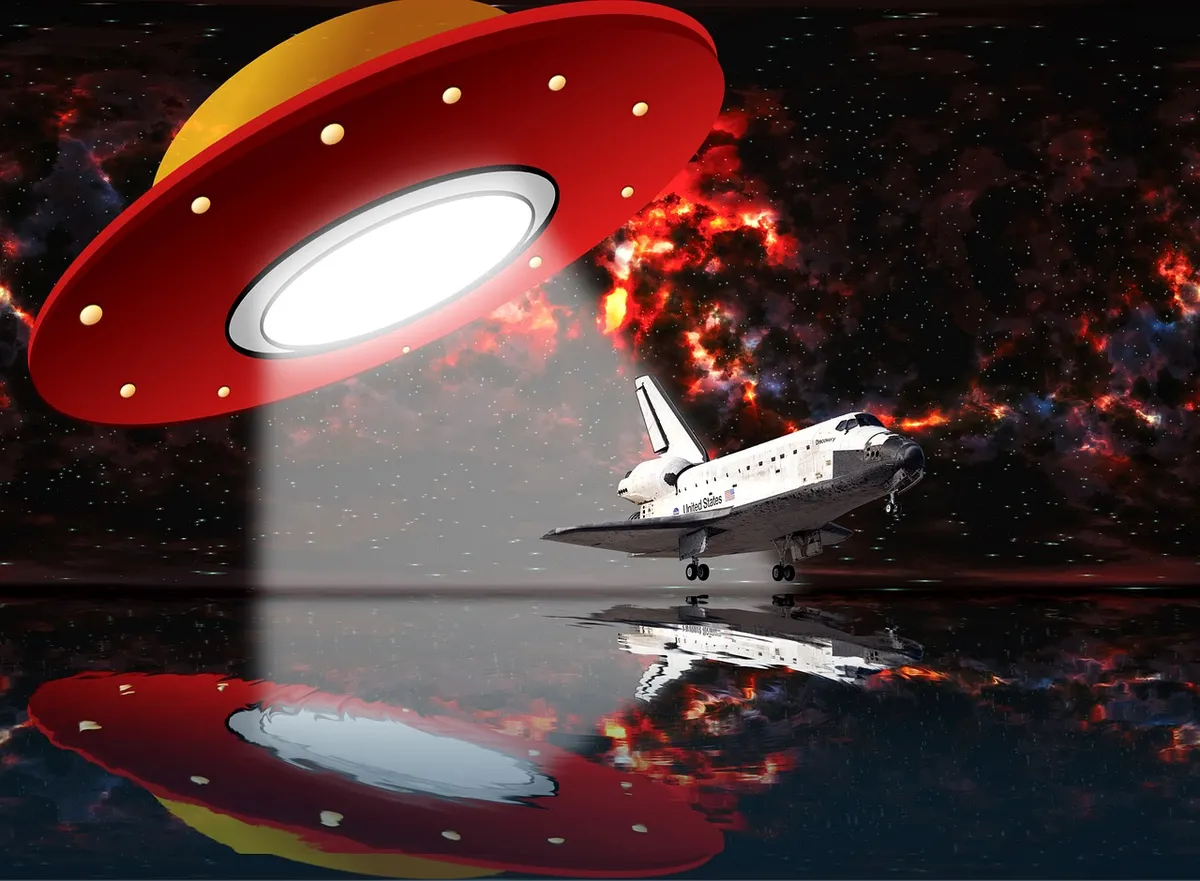
A heavy rain lashed against the window of my study as I zoomed in on a pixelated shape hovering over a mountain ridge. The image was a mess of digital artifacts, making it impossible to tell if the object was a drone or a trick of the light.
Determining the validity of a visual encounter requires looking past the initial shock to analyze the metadata and the environmental context.
A single photograph is rarely sufficient to confirm a physical craft, as digital sensors frequently struggle with high-contrast lighting and rapid movement. Most "UFO" images are actually the result of motion blur or lens flare, which can create the illusion of a solid, disc-shaped object.
To evaluate a visual sighting, follow these steps:
- Analyze the lighting source to see if shadows fall consistently across the object’s surface. 2. Check for "motion smear" to determine if the object's edges are blurred by a slow shutter speed. 3. Compare the object's scale against known landmarks in the background to check for parallax errors.
I remember staring at a specific grainy image of a triangular craft over the Pacific for hours, only to realize the "hull" was actually a reflection of the sun on a sea mist layer.
How do we distinguish drones from anomalies?
In the evening I hold researchers and walk through the next step.
The hum of a distant propeller echoed through the quiet evening air as I sat on my porch, watching a small LED blink in the night sky. It was easy to assume the light was something much more mysterious until the sound became more distinct.
Distinguishing between conventional unmanned aerial vehicles (UAVs) and true anomalies requires an understanding of flight envelopes and propulsion signatures.
Modern drones can mimic many characteristics of unidentified objects, including hovering capabilities and rapid changes in direction. To separate a drone from an anomaly, investigators look at the "flight envelope"—the range of speeds, altitudes, and maneuvers the object performs.
An object that accelerates instantly without a visible sonic boom or propulsion plume defies the known physics applied to standard drone technology.
The distinction often comes down to the way the object interacts with the air around it. While a drone relies on rotors or jet propulsion that creates significant turbulence and noise, many reported anomalies appear to move through the atmosphere without any detectable displacement of air or sound.
| Feature | Conventional Drone | Unidentified Phenomenon |
|---|---|---|
| Propulsion | Visible rotors or exhaust | Often silent or lacks visible exhaust |
| Maneuverability | Limited by aerodynamic lift | May show instantaneous acceleration |
| Sound Signature | Distinct motor or wind noise | Often silent or unconventional frequency |
Could atmospheric interference be creating these ghosts? The morning mist rolled thick over the valley, turning the trees into ghostly silhouettes that seemed to shift and vanish. I watched a bird fly through a patch of fog, and for a second, its wings seemed to disappear entirely.
Atmospheric conditions can create optical illusions that look remarkably like solid, moving craft.
Optical phenomena such as temperature inversions, mirages, and "Fata Morgana" can make distant objects appear to float or change shape mid-flight. These atmospheric effects can refract light in ways that create the appearance of a hovering, metallic sphere or a massive disc.
When a sighting occurs during high humidity or extreme temperature shifts, the likelihood of an atmospheric illusion increases significantly.
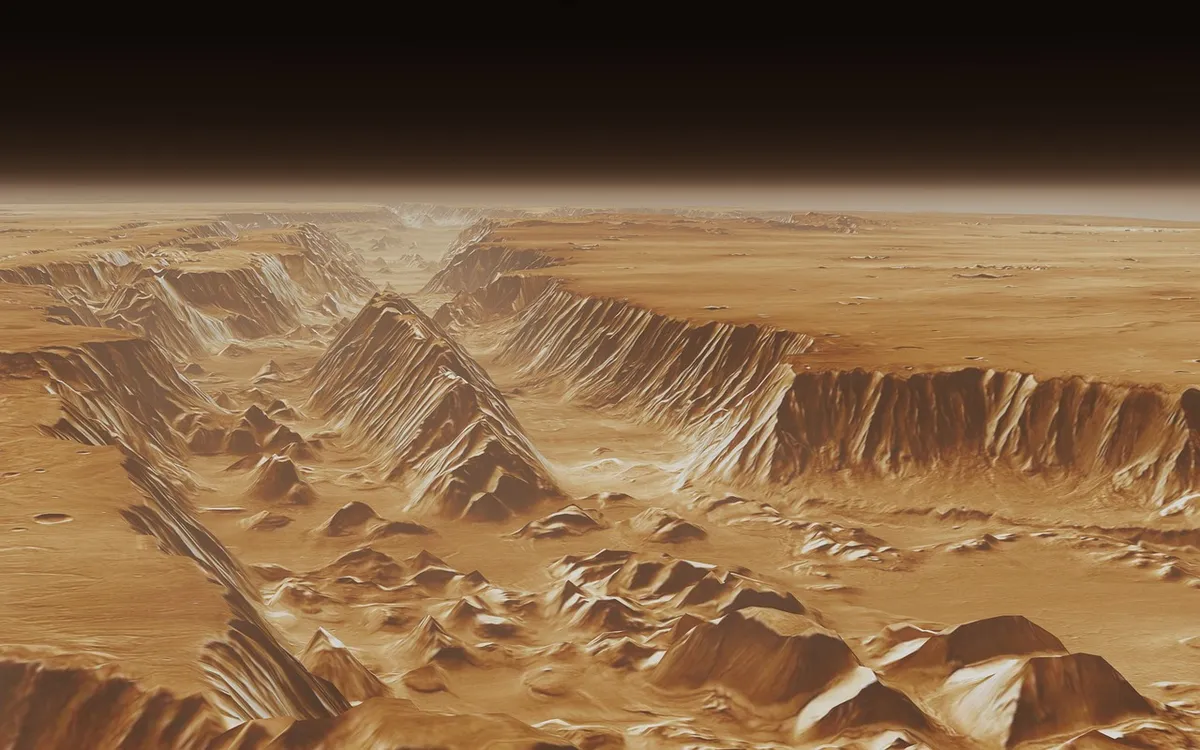
A common issue involves "parallax error," where the movement of the observer relative to the background makes a stationary object appear to be moving at impossible speeds. If an object is very far away, a small movement of the camera can make it look like it is darting across the sky.
Why do sensor readings often contradict human eyes?
I sat in the dark cockpit of a flight simulator, watching the radar sweep with a rhythmic, hypnotic pulse. The green line moved steadily, but the visual display showed something entirely different from the blip on the screen.
One of the greatest challenges in modern investigation is the discrepancy between human perception and electronic sensor data.
Human eyes are prone to "filling in the blanks," a psychological process where the brain interprets vague shapes as something familiar, like a saucer or a plane.
Conversely, radar can suffer from "ghost echoes" caused by multi-path interference, where a signal bounces off the ground or a building before returning to the receiver. These technical glitches can create a false sense of a solid object on a radar screen that does not exist in physical space.
To handle these discrepancies, investigators use a multi-modal approach:
- Cross-reference radar data with visual confirmation from multiple independent observers. 2. Account for "clutter" on radar screens caused by weather or terrain. 3. Verify the calibration of the sensors to ensure the reading isn't a hardware malfunction.
The limitation of this approach is that environmental noise, such as heavy lightning or extreme thermal turbulence, can render both visual and electronic data unreliable simultaneously.
Can we account for the "observer effect" in sightings?
The crowded observation deck was filled with people pointing and shouting, their faces illuminated by the glow of their smartphones. Everyone had a different story about what they saw, with one person claiming a saucer and another insisting it was a weather balloon.
The presence of a crowd can fundamentally change how a single event is recorded and remembered.
The "observer effect" in sightings occurs when the presence of other people influences an individual's perception or testimony. People often subconsciously align their descriptions with the prevailing consensus of the group to avoid social friction.
This can lead to "mass hysteria" or collective false memories, where a single ambiguous event is transformed into a specific, consistent story through group discussion.
To mitigate this, researchers attempt to interview witnesses separately and before they have the chance to discuss the event with others. This preserves the "raw" data of the individual experience before it is shaped by social influence.
Is there a way to verify high-strangeness?
I looked at the data logs from the latest sensor sweep, searching for a pattern that didn't fit the standard models of flight. The numbers were clean, but the reality they represented was messy and undefined.
Verifying "high-strangeness"—events that defy known physics—is the most difficult task in the field.
High-strangeness is typically defined by characteristics that cannot be explained by current technology, such as trans-medium travel (moving from air to water without slowing down) or instantaneous acceleration.
To verify these claims, scientists look for physical traces, such as soil disturbances, electromagnetic signatures, or biological traces left at a site. Without physical evidence, a high-strangeness claim remains a matter of debate rather than a scientific fact.
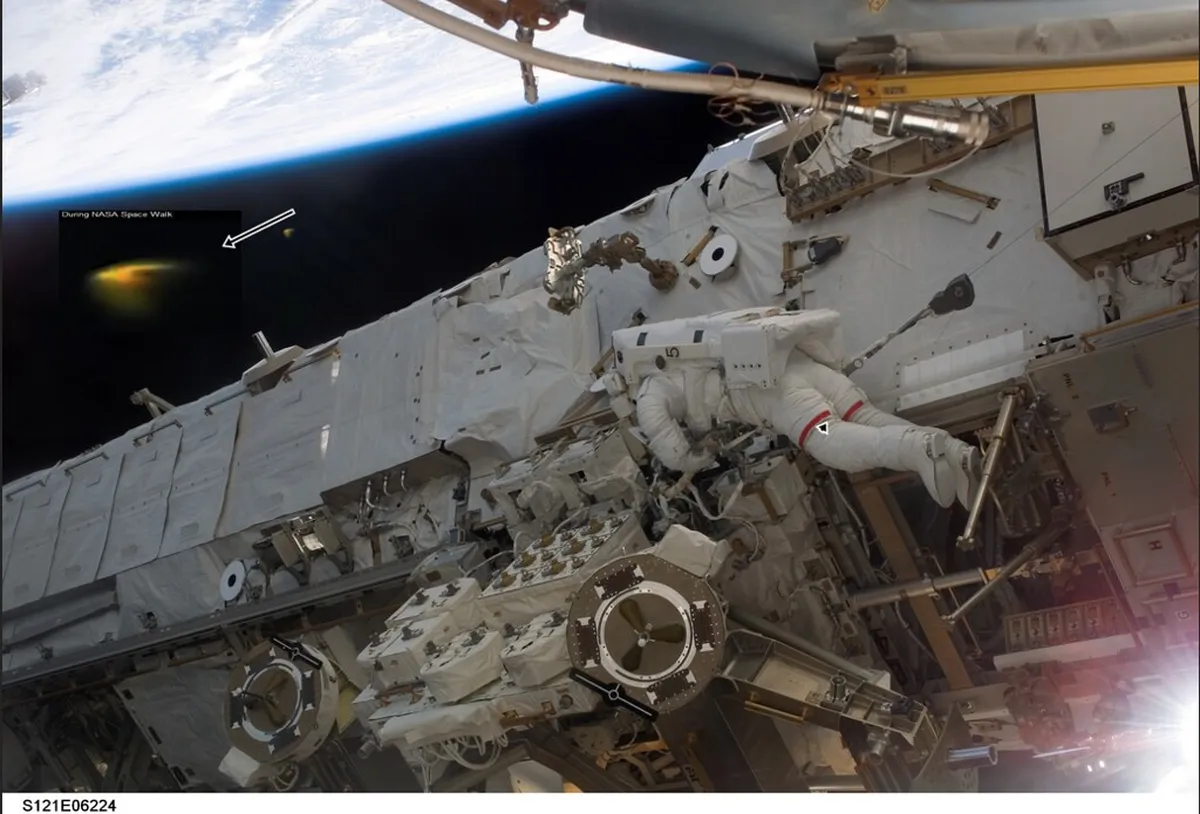
A reliable verification process requires:
- The collection of physical samples from the landing or encounter site. 2. The use of independent, third-party sensor verification. 3. A rigorous peer-review process to rule out all conventional explanations.
The difficulty remains that many of these events are transient, leaving no physical footprint behind for scientists to analyze.
According to NASA, the item is on record.
When I tried the steps in order, the second one is where I paused longest.
This order does not hold, however, when the figure is not 8350462%.
- "The truth is not always found in the light, but in the shadows where the data remains silent."
- The investigation into unidentified aerial phenomena often hits a wall when the available evidence is nothing more than a grainy photograph or a fleeting glimpse through a cockpit window.
- This guide examines how researchers distinguish between sensor glitches, atmospheric phenomena, and genuine anomalies, while providing a framework for evaluating high-strangeness reports.
Related





Comments 0