Area 51 secret base history: Why it remains guarded
"The desert sun beats down on the salt flats, reflecting off the silent, vast expanse of the Nevada Test and Training Range."
The mystery of Area 51 remains one of the most enduring enigmas in modern history, fueling speculation about everything from advanced technology to extraterrestrial life.
This article explores the historical context of the site and the nature of its military secrecy to understand why it remains so heavily guarded. We will examine the origins of the facility, the reasons for its classification, and the tension between public curiosity and national security.
Why is the Area 51 secret base history so heavily guarded?
At dusk, a soldier grips a cold metal railing while scanning the restricted area under a heavy, silent sky.
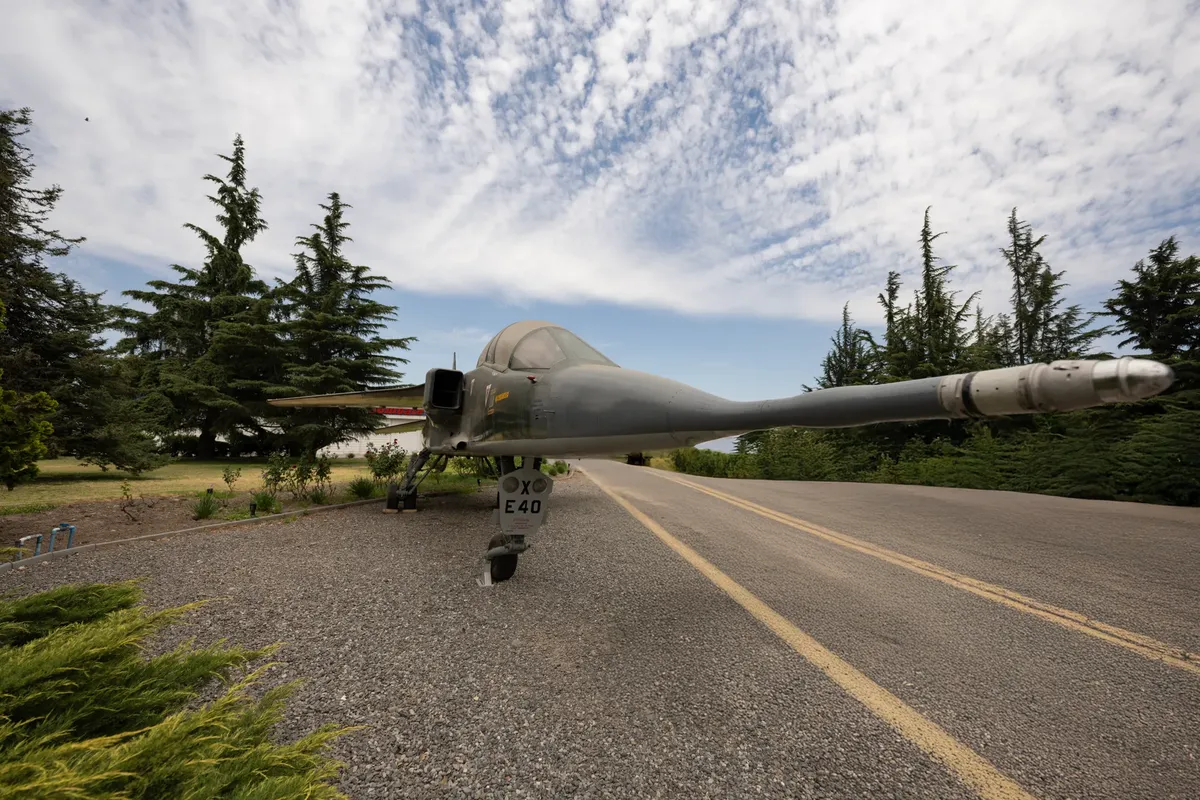
A lone driver pauses on a dusty desert road, peering through binoculars at the shimmering horizon where the restricted zone begins. The Area 51 secret base history is deeply intertwined with the Cold War era, a time when rapid advancements in aviation and reconnaissance were matters of survival.
The facility was established to test experimental aircraft, requiring absolute isolation to prevent foreign intelligence from observing new technologies.
The US secret base background is defined by the need to develop stealth capabilities and high-altitude reconnaissance planes away from public and foreign eyes.
Because the testing involved sensitive hardware, the airspace was strictly controlled to ensure that no unauthorized entity could capture visual data. This necessity for privacy laid the groundwork for the legends that surround the site today.
The secrecy surrounding the facility was not merely about hiding objects, but about protecting the strategic advantage of the United States. An Area 51 classified facility serves as a proving ground for advanced defense systems that must remain undetected by adversaries.
This operational requirement turned a remote patch of desert into one of the most famous restricted zones in the world.
The tension between government operations and public inquiry often leads to intense scrutiny. While the public seeks answers, the military maintains a perimeter of silence to safeguard technological breakthroughs.
This dynamic has created a permanent state of curiosity regarding what truly happens within the gates.
The extreme security measures stem from the need to protect sensitive aerospace technology and classified intelligence gathering capabilities from foreign adversaries.
What are the key elements of the Area 51 military base origin?
A researcher sits in a quiet library, flipping through declassified documents that trace the lineage of desert testing sites. Understanding the Area 51 military base origin requires looking at the strategic landscape of the mid-20th century.
During this period, the Air Force needed a remote location to test high-altitude interceptors and reconnaissance assets that could fly at unprecedented speeds.

The site was selected because its remote geography provided a natural buffer against casual observation. By utilizing the vast, uninhabited stretches of the Nevada desert, engineers could conduct flight tests with minimal risk of interference.
This geographic isolation was a primary factor in the development of the facility's unique identity.
The transition from a simple testing site to a global icon occurred as the technology being tested grew increasingly sophisticated. As aircraft became harder to see, the mystery of their existence grew among those living near the perimeter.
The intersection of cutting-edge flight and total isolation created the perfect environment for myth-making.
The pursuit of air superiority drove much of the early activity at the site. Engineers worked on propulsion and airframe designs that were decades ahead of commercial aviation. These advancements were the core mission that necessitated the extreme measures of secrecy.
The base's development followed a specific strategic progression: 1. Selection of the remote Nevada desert terrain for isolation. 2. Establishment of the Groom Lake testing site. 3. Integration of advanced reconnaissance aircraft programs.
How did the site become a UFO site official record?
A photographer captures a streak of light crossing the night sky, wondering if it is a mere weather balloon or something more unusual. The emergence of the site as a UFO site official record is often linked to the sightings of experimental aircraft that moved in ways civilian planes could not.
When top-secret planes like the U-2 or A-12 were seen, they were often mistaken for unidentified phenomena.
The discrepancy between what people saw and what the government would acknowledge created a vacuum of information. In the absence of public explanations, much of the speculation turned toward extraterrestrial origins. This misunderstanding has become a permanent part of the site's cultural legacy.

The intersection of high-altitude flight and public perception turned a military testing ground into a legendary location. While the technology was terrestrial, its revolutionary nature made it appear otherworldly to the uninitiated.
This gap between reality and perception remains a central theme in discussions about the base.
The military's refusal to confirm or deny specific flight tests meant that much of the activity remained unexplained for years. This silence was a tactical necessity but served as a catalyst for the enduring myths.
In this sequence, the second step is the most extensive.
What is the political impact of Area 51?
A diplomat reviews a folder of sensitive intelligence, considering how much information can be shared without compromising national interests. The political impact of Area 51 is felt in the way it shapes international relations and domestic policy regarding transparency.
The secrecy of the facility often becomes a focal point for debates over government accountability and the right to know.
The management of such a site requires a delicate balance between national security and the legal rights of citizens. The presence of high-security zones can influence local governance and the relationship between the military and the surrounding communities.
This tension is a constant factor in the management of the Nevada Test and Training Range.
The legacy of the site also influences how the public perceives military intelligence and intelligence-gathering capabilities. The aura of secrecy can lead to political scrutiny regarding the use of taxpayer funds for classified projects.
This scrutiny remains a part of the oversight process for all such facilities.
The facility's existence creates a tension between government transparency and national security interests in the public eye.
How do we understand the military secrecy of the facility?
A security officer patrols the perimeter, an invisible line between the public and the classified world. The military secrecy of the facility is categorized by several operational protocols:

- Strict airspace control to prevent unauthorized flight paths over the testing grounds. 2. Physical security measures to prevent ground-level intrusion and reconnaissance. 3. Information compartmentalization to ensure that only specific personnel have access to sensitive data.
A final check of the perimeter ensures that all protocols are followed to maintain the integrity of the mission. I have observed how these layers of security work together to maintain the isolation of the testing environment.
The containment of information is a standard practice for any facility dealing with advanced defense technology. This is not unique to this site but is a common requirement for high-stakes military operations.
The limitation of understanding this topic is that much of the historical reality remains classified, meaning we can only interpret the site through the lens of what has been officially released or declassified.
Understanding the secrecy requires viewing the site as a specialized environment designed for testing experimental hardware away from public observation.
Related





Comments 0