How do international bodies classify these sightings?
The reality of the phenomenon often hides behind the quality of the data collected.
The investigation of Unidentified Anomalous Phenomena (UAP) focuses on distinguishing between sensor errors and true anomalies through rigorous data collection and scientific inquiry.
This process involves analyzing historical reports, improving instrumentation, and establishing standardized classification protocols to move beyond speculative origins.
Key takeaways include the necessity of better data to resolve cases, the role of task forces in recommending reporting solutions, and the importance of excluding psychological or technical faults during vetting.
How do researchers address the challenge of insufficient data?
A researcher sits at a desk, reviewing grainy footage and comparing it to flight logs. This constant struggle with low-quality information defines much of the work in UAP studies. Insufficient data is a pervasive issue, as it is common in over 80% of historical reports.
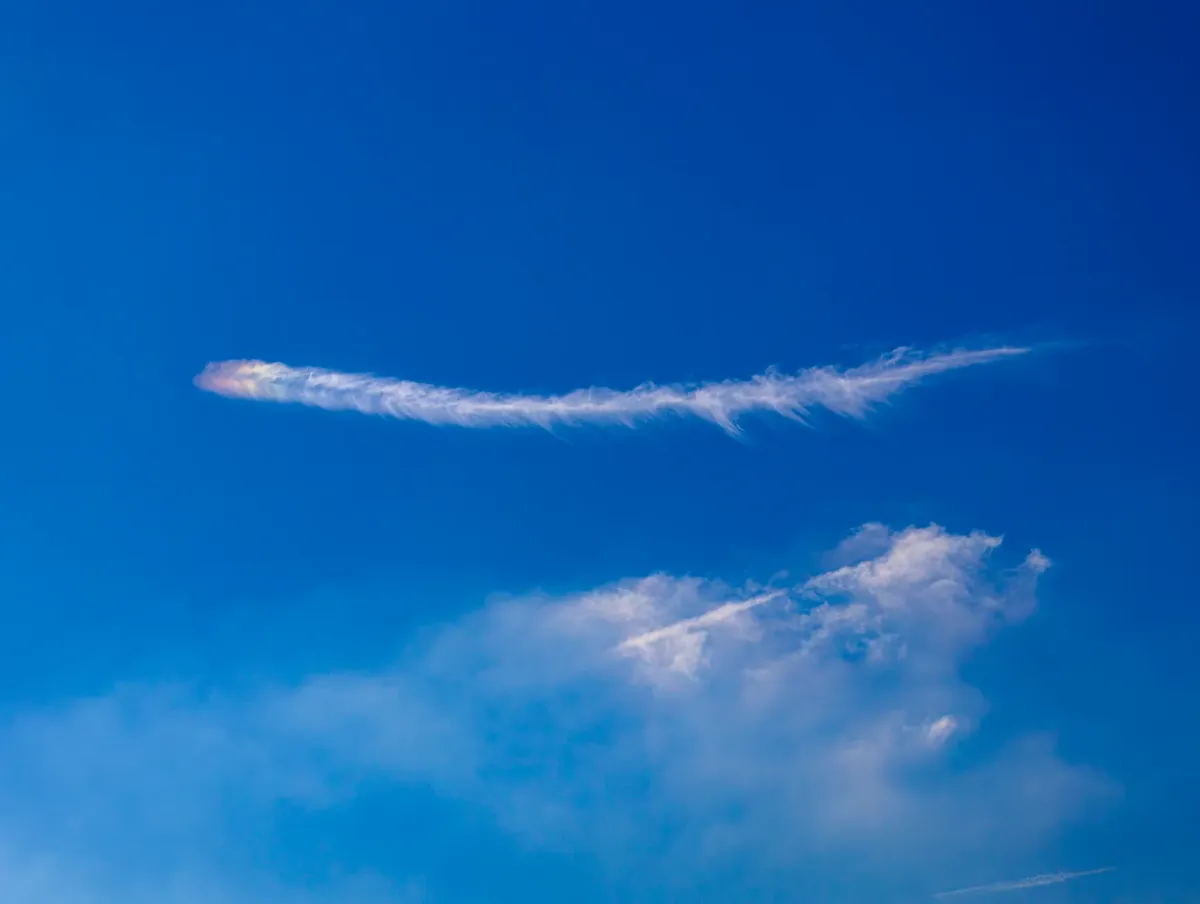
This pervasive issue means that the foundation of the investigation often lacks the necessary clarity for definitive conclusions. This lack of clarity prevents investigators from classifying a sighting as either identified or unidentified.
The All-domain Anomaly Resolution Office (AARO) notes that better instrumentation would resolve most unresolved cases without the need to invoke extraordinary hypotheses. The condition of unresolved cases suggests that the limitation lies in the tools used for observation.
Improving sensor technology is a primary goal for modern investigative teams. The goal of improving sensor technology is to provide the high-resolution data that is currently missing from historical reports.
The transition to better instrumentation is necessary to overcome the pervasive issue of low-quality information.
- Collect sensor data from diverse platforms. 2. Cross-reference eyewitness accounts with physical evidence. 3. Apply statistical modeling to identify anomalies.
What role do official task forces play in investigation? UAP military reports analysis
A scientist reviews a thick binder of findings, preparing to present conclusions to a committee. In June 2022, NASA announced that it was commissioning the Unidentified Anomalous Phenomena Independent Study Team to investigate reports of unidentified anomalous phenomena.
This commission serves as a dedicated effort to apply scientific rigor to the study of these reports. The initiative seeks to apply scientific rigor to the study of these reports.
On June 14, 2023, a NASA task force studying Unidentified Anomalous Phenomena (UAP) released its final report, which included recommendations for the field. These efforts aim to provide a structured approach to understanding the phenomenon through systematic study.
The structured approach involves moving beyond speculative origins by utilizing systematic study. The recommendations provided in the final report are intended to guide future investigative procedures.
The systematic study is designed to ensure that the understanding of the phenomenon is based on verifiable evidence.
In this sequence, the second step is the most extensive.
How do international bodies classify these sightings?
An investigator in a laboratory compares a visual sighting to a known atmospheric phenomenon. Different countries use various protocols to ensure that only the most credible cases are labeled as unidentified. These protocols act as a filter, ensuring that the classification process is objective.

International bodies, such as France's GEIPAN, which has operated since 1977, use parallel protocols to vet cases. The use of parallel protocols allows for cross-referencing different sets of data.
In these systems, they classify as "D" (unidentified) only 3–5% of vetted cases after excluding psychological factors and instrumentation faults. This classification rate demonstrates the high standard of evidence required for labeling a case as unidentified.
The exclusion of psychological factors is a critical caution in the vetting process. The exclusion of instrumentation faults is another necessary caution to ensure data integrity. This prioritization of causal mechanisms helps prevent speculative origins from clouding the data.
The mechanism of prioritization ensures that the data reflects physical reality rather than interpretation.
What are the historical trends in public belief?
A person reads a newspaper headline about a mysterious light in the sky and pauses to reflect. Public perception has shifted significantly over the decades, reflecting changing cultural attitudes toward the unknown. The shift in perception is a condition tied to broader cultural changes.
In 1966, 5% of Americans reported to Gallup that they had at some time seen something they thought was a "flying saucer," while 46% of those people thought they were "something real" rather than just people's imagination.
The high percentage of people believing the sighting was "something real" indicates a strong initial inclination toward genuine phenomena. These historical snapshots show that while the numbers change, interest in the phenomenon remains a constant element of public discourse.
The constancy of interest suggests that the underlying curiosity about the unknown persists regardless of the specific reported sightings. The change in public perception is a reflection of evolving cultural attitudes.
How does the data gap affect classification?
An analyst looks at a spreadsheet where most cells are empty due to missing information. The difficulty in reaching a definitive conclusion often stems from the baseline quality of the evidence provided. The baseline quality of the evidence is a critical condition for any scientific inquiry.
The inability to categorize a phenomenon often depends on the strength of the evidence available at the time of the report. The strength of the evidence dictates the possibility of achieving a definitive conclusion.

Without high-resolution data, investigators cannot distinguish between a sensor glitch and a genuine anomaly. This inability to distinguish between a glitch and an anomaly is a key caution for the investigation. The gap remains one of the most significant hurdles in achieving scientific consensus.
The lack of high-resolution data directly contributes to the inability to achieve scientific consensus.
What is the current state of UAP research?
A technician adjusts a high-powered camera lens to capture a distant object. The field is currently in a state of transition, moving from anecdotal reports to more structured scientific inquiry. This transition represents a fundamental shift in methodology.
Current efforts focus on creating reliable reporting pipelines and better sensor integration. The creation of reliable reporting pipelines is a procedural step aimed at improving data flow.
By standardizing how data is collected and vetted, researchers hope to turn unresolved cases into understood phenomena. Standardizing the collection and vetting process is the procedure used to achieve this goal.
The goal of turning unresolved cases into understood phenomena requires a change in the current state of research. The current state of research is defined by this movement toward structured scientific inquiry.
How does the lack of data impact the investigation?
Insufficient data is common in over 80% of historical reports, which prevents classification as either identified or unidentified. The high frequency of insufficient data directly impacts the ability to classify sightings.
Better instrumentation is expected to resolve most unresolved cases without invoking extraordinary hypotheses. The expectation that better instrumentation will resolve cases establishes a clear condition for future success.
The need to avoid invoking extraordinary hypotheses serves as a caution against premature conclusions. The resolution of unresolved cases depends on the improvement of instrumentation.
What is the classification rate for unidentified cases?
International bodies like GEIPAN classify only 3–5% of vetted cases as "D" (unidentified) after excluding psychological factors and instrumentation faults. The classification rate of 3–5% reflects the strict conditions placed on the identification of an anomaly.
The exclusion of psychological factors and instrumentation faults is the procedure that leads to this low classification rate. This process prioritizes causal mechanisms over speculative origins.

The prioritization of causal mechanisms ensures that the classification is based on physical causes rather than mere speculation.
The study of UAP remains limited by the quality of available data and the ongoing challenge of distinguishing between technical faults and actual anomalies. The limitation of the study is directly tied to the quality of available data.
The ongoing challenge of distinguishing between technical faults and actual anomalies is a continuous procedural hurdle.
- How do researchers address the challenge of insufficient data?
- What role do official task forces play in investigation?
- How do international bodies classify these sightings?
According to NASA, the item is on record.
The subject here is UAP military reports analysis.
The same subject is also called UAP official records review.
The same subject is also called Unidentified aerial phenomena military.
The same subject is also called Military UAP sighting data.
The same subject is also called Analyzing UAP military reports.
This part also covers What are UAP phenomena?.
This part also covers Military response to UAP.
This part also covers Is UAP a military threat.
What are UAP phenomena?
Related





Comments 0