UFO secret docs released: 161 documents guide to phenomena
"The release of information regarding unidentified aerial phenomena often sparks intense debate between those seeking transparency and those wary of political implications."
Key takeaways: * The release of 161 classified documents aims to address historical mysteries of unidentified aerial phenomena. * Officials have historically focused on a specific percentage of unexplained sightings as potential security threats.
* Despite these releases, no official acknowledgment of extraterrestrial life has been made by major agencies. *
What drives the release of UFO secret docs?
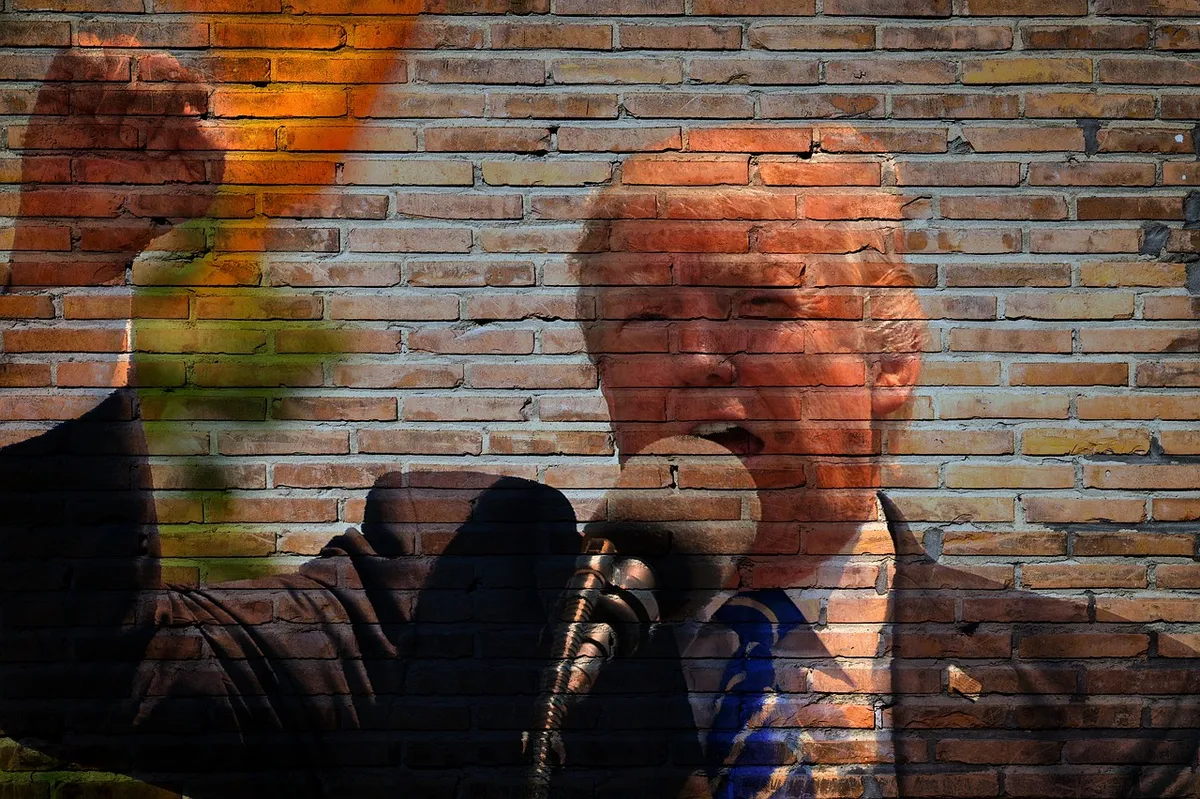
A researcher sits at a wooden desk, flipping through thick folders of declassified files. The dust motes dance in the light as they search for clarity in the redacted text.
The release of 161 classified documents serves to provide a clearer historical context for unidentified aerial phenomena.
Historically, officials were concerned over the "approximately 10%" of UFO sightings which remained unexplained, and whether they might be Soviet aircraft and a threat to national security. This specific percentage of unexplained cases has often fueled the drive for transparency.
By providing more data, the government attempts to manage the narrative surrounding unexplained sightings.
This process of releasing UFO secret docs is intended to satisfy public demand for information.
How do we interpret the US government UFO files? UFO secret docs released
An analyst stares at a computer screen, comparing grainy photographs with modern satellite imagery. The tension in the room is palpable as they cross-reference data points.
Interpreting the US government UFO files requires a careful look at historical context and technological capabilities. Some interpretations lean toward advanced secret technology, while others focus on atmospheric phenomena.
These documents attempt to catalog sightings that do not fit known flight profiles.
The complexity of the data makes it difficult to reach a single conclusion. Some believe the files reveal technological secrets, while others see them as mere administrative records.
Navigating the US government UFO files requires distinguishing between speculative theories and documented observations.
Why is there a debate over UFO intelligence leaks?
A journalist types rapidly, her face illuminated by the glow of a laptop in a dim office. She is piecing together a timeline of information flow.
The debate surrounding UFO intelligence leaks often centers on the tension between national security and the public's right to know. While some see the leaks as a step toward truth, others view them as a distraction or a tool for political maneuvering. This friction defines the current discourse.
The leaks can be interpreted as either a move toward accountability or a controlled release of information. Some argue that the timing of such disclosures is politically motivated to shift public attention.
Managing the fallout from UFO intelligence leaks remains a constant challenge for government communications.
What is the current status of the US government UFO files?

A veteran intelligence officer reviews a stack of reports, marking certain sections with a red pen. The weight of history seems to press down on the documents.
As of October 2, 2026, neither the US government nor NASA has made any announcement acknowledging the existence of aliens (extraterrestrial life). This reality remains a constant backdrop to all official communications.
Despite the volume of released material, the fundamental question of extraterrestrial life remains officially unanswered.
The status of the files indicates a push for more structured data collection. Officials continue to monitor unexplained phenomena to ensure they do not pose a threat to airspace. The release of these documents does not change the official stance on extraterrestrial existence.
How does the public react to Declassified UFO reports?
A group of citizens gathers in a public library, leaning over a table covered in printed articles. They speak in hushed, urgent tones about the contents.
Public reaction to declassified UFO reports varies from skepticism to intense fascination. Some see the documents as proof of hidden truths, while others dismiss them as bureaucratic exercises. This spectrum of belief shapes how the information is consumed and debated.
The search for meaning in these reports can lead to various community discussions. Some groups focus on the technological implications, while others look for social significance. Analyzing the impact of declassified UFO reports reveals a society grappling with the unknown.
What are the limits of these disclosures?
A historian looks through a magnifying glass at a single page of a report, noting the limitations of the era. The lack of clarity is evident in the aging paper.
The primary limitation is that these documents do not provide definitive answers regarding extraterrestrial life. While they offer more data, they do not confirm the presence of aliens. The scope of the information is limited to what was observed and recorded at the time.
The focus remains on technological and atmospheric explanations rather than biological ones. A significant limitation is that the data often lacks the resolution to confirm specific craft characteristics.
These releases do not change the fact that no official acknowledgment of extraterrestrial life has been made.
| Aspect | Historical Concern | Current Status |
|---|---|---|
| Unexplained Sightings | Approximately 10% | Ongoing investigation |
| Official Stance | Security-focused | No acknowledgment of aliens |
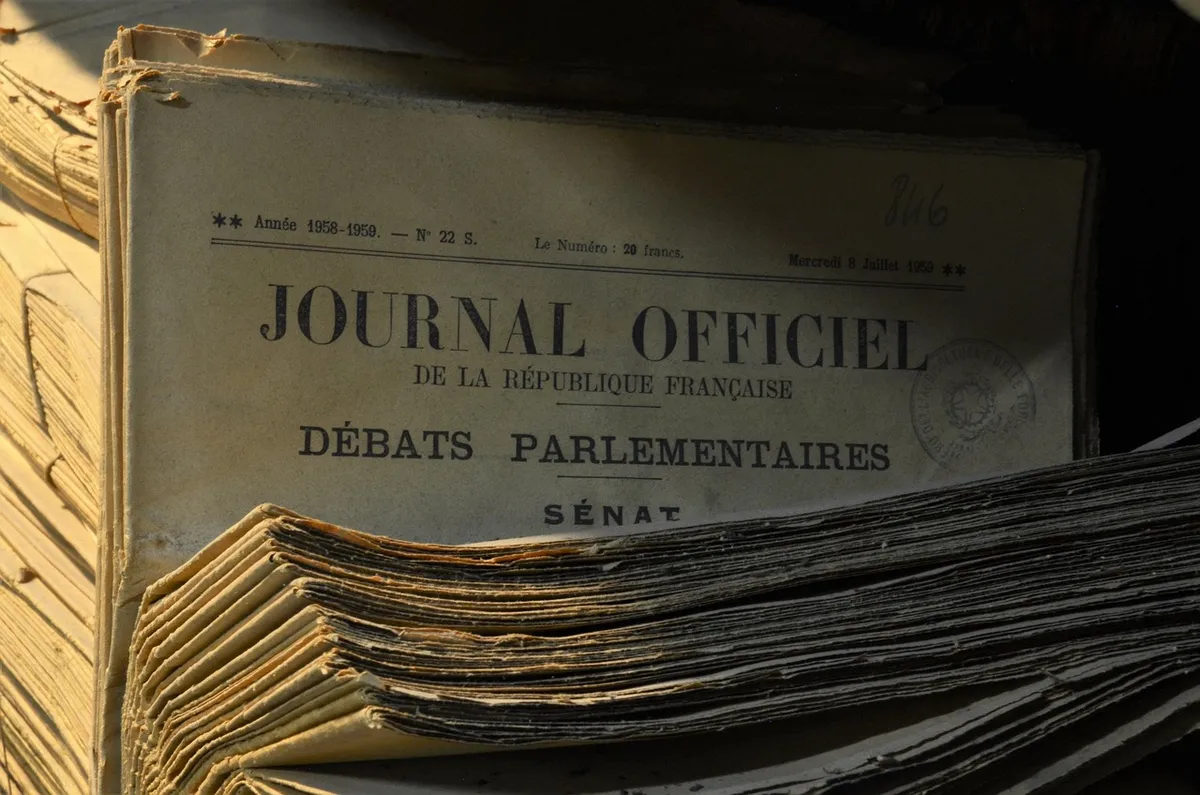
I found that comparing the historical percentage of unexplained sightings to current data helps clarify the scale of the issue.
The release of these documents is limited by the inherent ambiguity of the sightings themselves.
- What drives the release of UFO secret docs?
- How do we interpret the US government UFO files?
- Why is there a debate over UFO intelligence leaks?
The subject here is UFO secret docs released.
The same subject is also called 161 classified UFO docs.
This part also covers UFO documents controversy.
This part also covers Government transparency debate.
This part also covers Public reaction to UFOs.
UFO documents controversy
Related








Comments 0