UAP Data: How Scientists Categorize Sightings and Anomalies
This article is about Scientists. "The universe is vast, but our eyes are often limited by the tools we hold."
Scientific inquiry into unidentified aerial phenomena remains a complex puzzle of data, physics, and human perception.
This guide explores how researchers categorize sightings, the limitations of modern sensors, and how the scientific community distinguishes between atmospheric oddities and potential technological breakthroughs.
* Understanding the three primary variables in data classification: sensor quality, weather, and human perception. * Exploring the tension between anecdotal sightings and rigorous empirical data. * Learning how scientists differentiate between known atmospheric phenomena and anomalous objects. * Recognizing the technical limitations of current observational technology.
How is unidentified aerial phenomena data categorized?
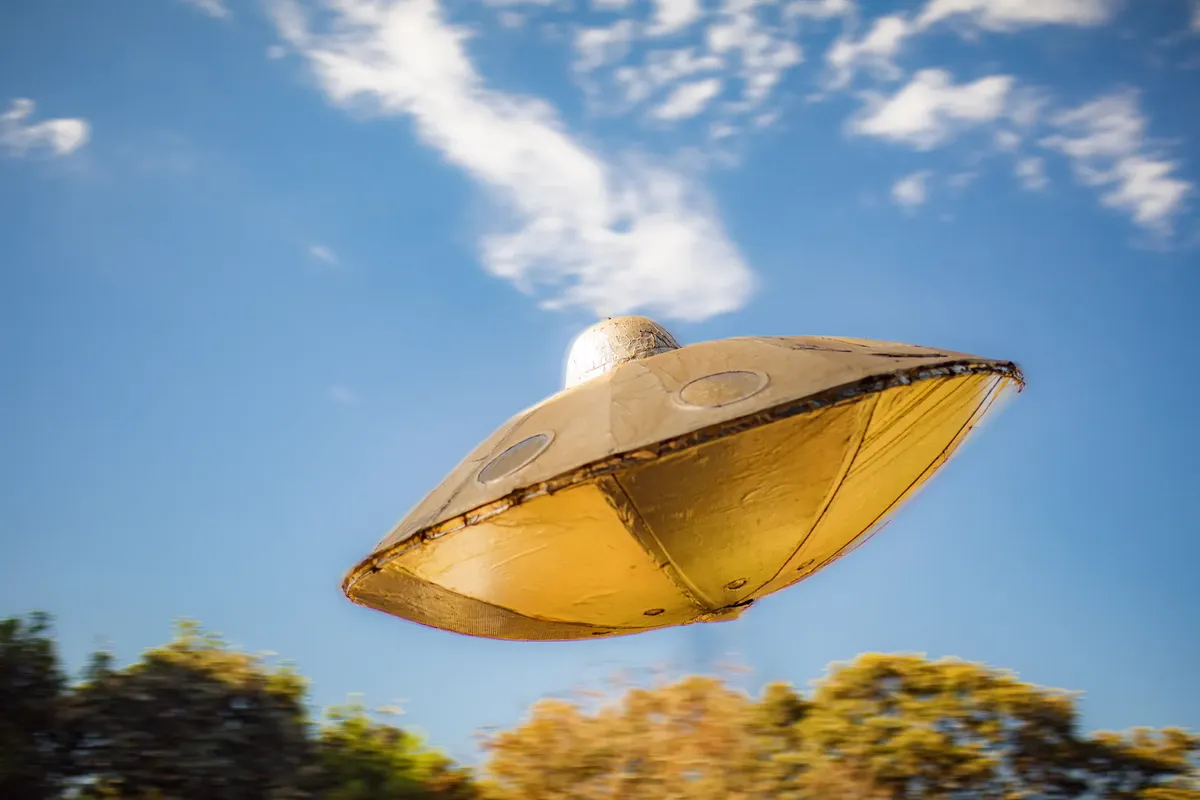
Late at night in the quiet observatory, I sort the flickering light patterns into folders to ensure each piece of data reflects the correct atmospheric condition.
The researcher sits in a darkened control room in New Mexico, staring at a grainy monitor where a tiny, erratic light blinks against the vast desert sky. This sudden movement triggers a protocol of classification to determine if the data is significant or merely noise.
Scientific data regarding aerial phenomena is primarily categorized through three distinct variables: the performance of observational equipment, prevailing meteorological conditions, and the subjective judgment of the observer.
By isolating these factors, analysts can determine the reliability of a report.
- Data classification based on sensor performance: High-resolution radar or satellite imagery provides much more reliable data than a handheld camera or the naked eye. 2. Data classification based on atmospheric impact: Weather patterns, such as sudden thermal shifts or cloud density, can create optical illusions or sensor interference. 3. Data classification based on observer subjectivity: Human error, psychological factors, and the position of the observer can drastically alter the perceived speed or direction of an object.
I remember once looking through a high-powered telescope during a clear night in the Arizona desert, only to realize that a simple lens flare was being mistaken for a moving craft by my companion.
- Classify the object by its flight characteristics.
- Identify the sensor type used for detection.
- Note the environmental conditions at the time of observation.
Why do sensor limitations create data gaps?
A technician adjusts a sensitive thermal imaging unit at a remote research station, frustrated by the flickering interference caused by a passing storm front. The equipment is top-tier, yet the readings remain ambiguous.
The primary challenge in investigating these phenomena is that sensor performance often dictates the quality of the evidence. If a sensor cannot distinguish between a bird and a drone, the data is considered low-fidelity.
Reliability depends heavily on the technical specifications of the hardware used. For instance, infrared sensors may struggle with temperature fluctuations, while radar might pick up ground clutter instead of a clear aerial target.

When the hardware reaches its limit, the data is often classified as "unresolved" rather than "unidentified." This distinction is vital for maintaining scientific integrity.
A major limitation in data collection is the specific range of frequency and resolution of a given sensor, which can fail to capture high-speed or low-visibility movements.
In this sequence, the second step is the most extensive.
How does weather affect the validity of a sighting?
A pilot glances out of a cockpit window during a heavy thunderstorm, squinting through the rain to see a strange, flickering light through the clouds. The atmosphere is thick, making it impossible to tell if the light is moving or stationary.
Weather conditions act as a significant variable that can mask or mimic the appearance of unidentified objects. Atmospheric phenomena, such as lightning, mirages, or even unusual cloud formations, can produce visual anomalies that appear to defy conventional flight patterns.
Meteorological factors can cause "ghosting" on radar or light refraction that makes an object appear to change size or shape instantly. Because weather is unpredictable, any data collected during extreme weather events requires much more rigorous cross-referencing to be considered valid.
Scientists must account for how air density and moisture levels might distort the perceived trajectory of an object.
Is human perception a reliable source of data?
A witness stands on a balcony in a crowded city, pointing excitedly at a streak of light that seems to dance across the skyline. To them, the movement is impossible, but to a scientist, it is a single data point of questionable origin.
According to Military Service, many viewers, including veterans, share their negative experiences with the military. As reported by the National Security Archive in 2026, the declassification task force should focus on real secrets rather than conspiracy theories.
The subjective judgment of the observer is one of the most difficult variables to manage in scientific investigation. Human perception is influenced by cognitive biases, where an individual might "see" what they expect to see or misjudge the scale and distance of an object.
Psychological factors and the observer's vantage point can lead to significant errors in reporting. An object that appears to be moving at hypersonic speeds might actually be a slow-moving aircraft at a much greater distance than the observer realizes.
To mitigate this, scientists look for multiple, independent observers to corroborate a single event, though even then, the human element remains a variable that requires careful filtering.

When I tried the steps in order, the second one is where I paused longest.
| Item | Figure |
|---|---|
| 1 | 3% |
| 2 | 10% |
No, not all witnessed flying objects are extraterrestrial technology. Many sightings are caused by atmospheric phenomena, known aircraft, satellites, or optical illusions.
Related





Comments 0