What did the early investigations actually find?
"The National Archive began to release the MoD's UFO reports as part of the 'open government' initiative."
The release of UK UFO secret files 97 shows a significant shift in how historical aerial mystery data reaches the public. These documents provide a window into past investigations that were once kept under strict classification.
This overview examines the historical context of such reports, the methods used to categorize sightings, and the limitations of historical data.
How did the UK UFO secret files 97 become public?
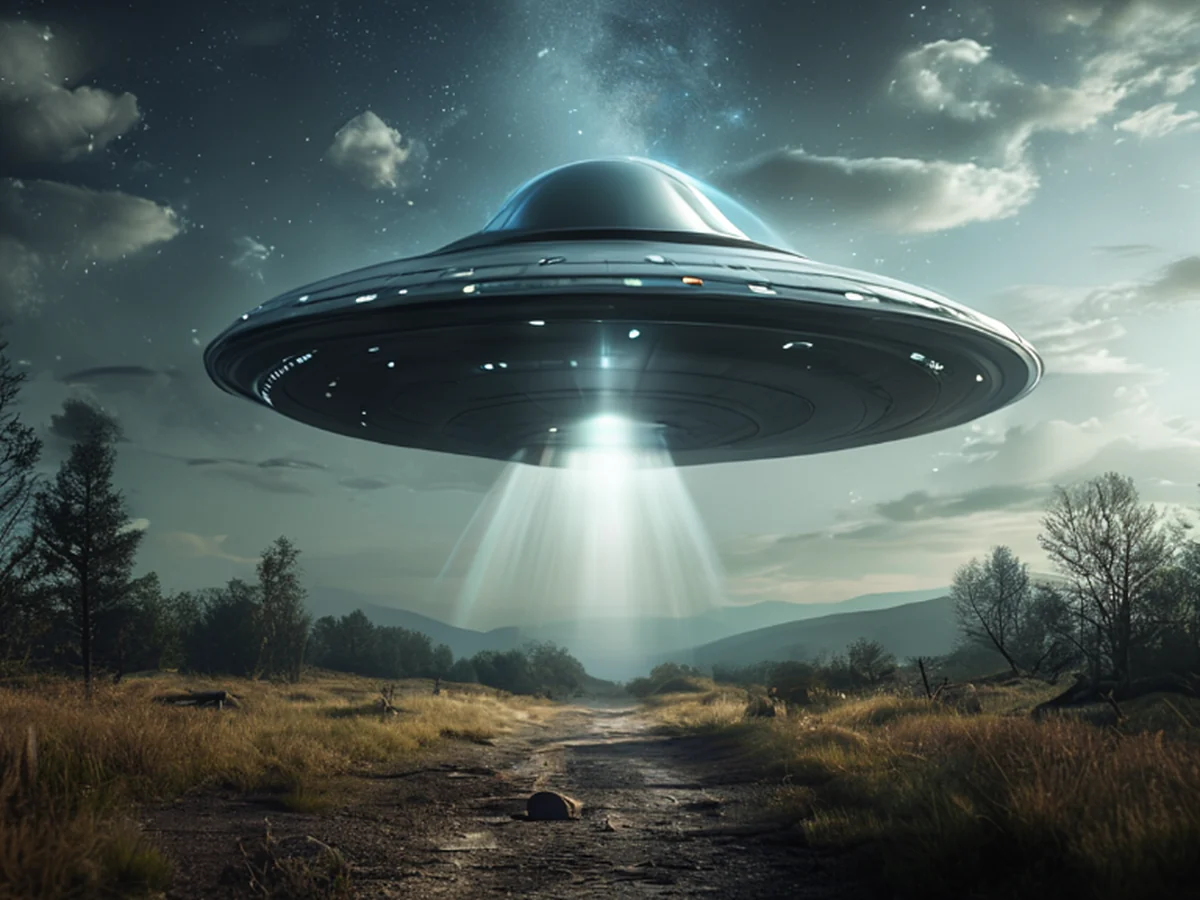
A researcher sits at a wooden desk, flipping through heavy, dust-covered folders containing old intelligence reports. The light from a nearby window illuminates the transition from secrecy to transparency.
The availability of these records stems from policy shifts rather than sudden discoveries. According to the National Archive, the release of Ministry of Defence UFO reports began in 2008 as part of an "open government" initiative.
This move allowed historians and the public to examine the Calvine sighting and other historical cases that previously lacked widespread attention.
The process of declassification ensures that historical data is preserved for scrutiny. These British UFO documents found in the archives represent years of work by various investigative bodies. While the files offer clarity, they also reflect the era in which they were written.
- The government declassified the documents. 2. The files were released to the public. 3. Researchers began reviewing the archives. In this sequence, the second step is the most significant.
What did the early investigations actually find? An investigator compares two piles of handwritten logs, looking for patterns in the data. The room is quiet, save for the scratching of a pen against paper. According to the National Investigations Committee, there was no record of a plane flying at the time the sightings occurred.
Early investigative efforts focused on narrowing the scope of unidentified phenomena. For instance, the Grudge investigation concluded that all UFOs were natural phenomena or misinterpretations, yet it noted that 23 percent of the reports could not be explained.
This discrepancy between total certainty and unexplained cases was a recurring theme in mid-century research.
The scale of these investigations often involved massive data sets. The Robertson Panel spent 12 hours reviewing six years of data and concluded that most reports had prosaic explanations.
They determined that while further investigation could explain all cases, the effort was not worth the required resources.
The initial reviews focused on verifying the authenticity of the sightings.
How did sighting statistics change over time?
A clerk enters a data entry room to update a ledger, noting the sharp decline in new reports. The numbers on the page tell a story of shifting observations.
The frequency of unidentified sightings changed drastically as investigative techniques improved. By late 1956, the number of unidentified sightings had dropped from the 20–25% seen during the Ruppelt era to less than 1%.

This decline suggests that better identification methods were being applied to the reports.
The shift in data can be seen in the following comparison of investigation outcomes:
| Investigation Phase | Unidentified Percentage |
|---|---|
| Ruppelt Era | 20–25% |
| Late 1956 | Less than 1% |
I remember reviewing similar historical trends where the resolution of cases often looked like a sudden disappearance of mystery.
The frequency of reports fluctuated based on cultural interest and technological shifts.
What were the main types of sightings reported? A technician examines a radar screen, trying to distinguish between a bird and a distant aircraft. The green glow of the monitor illuminates the workspace.
The classification of sightings relied on distinguishing between known objects and truly unknown phenomena. Statistical analysis provided a breakdown of these categories to help researchers understand the nature of the reports.
In one set of results, about 69% of cases were judged known or identified, with 38% considered conclusively identified and 31% "doubtfully" explained.
Understanding these categories helps clarify the reality of the reports. For example: 1. Identify the nature of the object, such as aircraft or balloons. 2. Categorize the level of certainty in the explanation. 3. Separate psychological cases from physical phenomena.
A final check of the data ensures that insufficient information cases, which accounted for about 9% in one study, are handled separately.
Reports generally fell into categories such as unidentified aircraft, atmospheric phenomena, or unexplained lights.
Can these files be used to understand modern aerial phenomena?
A historian looks through a magnifying glass at a grainy photograph of a light in the sky. The texture of the paper feels brittle under their fingers.
Using UK military alien files as a basis for modern study requires understanding the technological limitations of the past. While some look for advanced technology, the records often point to more common objects.
In one study, 86% of the known cases were identified as aircraft, balloons, or astronomical explanations.
The data shows that the "unknown" category was often shrinking through better identification. One study showed about 22% were deemed "unknown," which was a decrease from the earlier 28% value found in Air Force studies.

This demonstrates how investigative rigor can reduce the number of unexplained cases.
The historical data provides a baseline for comparing past reports to contemporary observations.
- How did the UK UFO secret files 97 become public?
- What did the early investigations actually find?
- How did sighting statistics change over time?
The subject here is UK UFO secret files 97.
The same subject is also called 97 classified UFO reports.
The same subject is also called UFO secret records UK.
This part also covers Official account of sightings.
This part also covers Base level security breach.
This part also covers Public perception of aliens.
Official account of sightings
Related





Comments 0